
Why Universal Kids Frisco's Smaller Scale is Its Biggest Advantage for Families
Why Universal Kids Frisco's Smaller Scale is Its Biggest Advantage for Families
Why Universal Kids Frisco's Smaller Scale is Its Biggest Advantage for Families
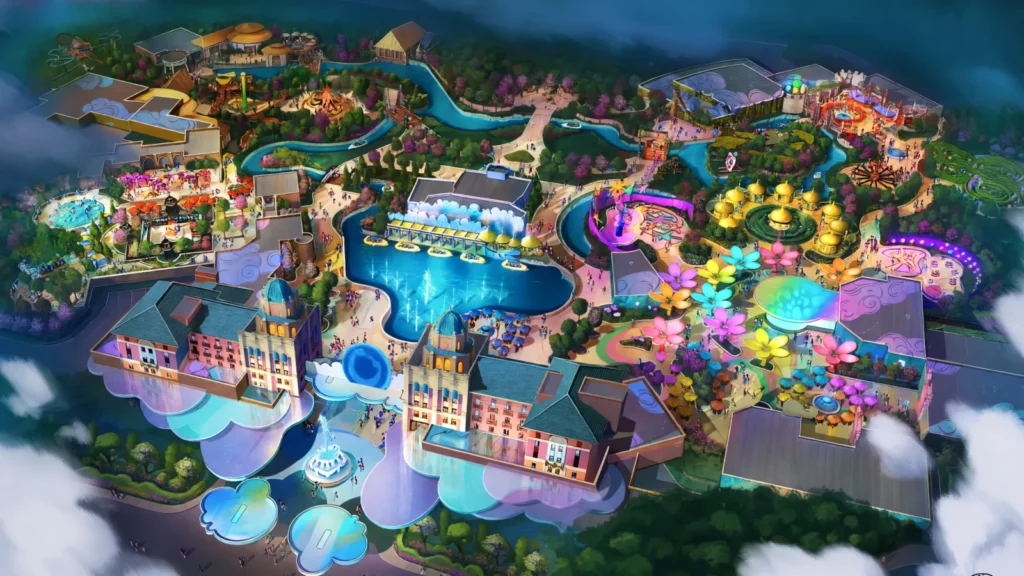
A Theme Park Revolution for the Preschool Set
Picture this: You're walking through a theme park with your 4-year-old, and instead of hearing "Are we there yet?" every five minutes, your little one is actually excited about what's around the next corner. No marathon hikes between attractions, no overwhelming crowds that make your toddler cling to your leg, and no meltdowns because everything feels too big and scary. This isn't a parent's fantasy—it's exactly what Universal Kids Resort in Frisco, Texas, is designed to deliver when it opens on July 1, 2026.
Small Size, Big Benefits
When Universal announced their first-ever theme park concept specifically for families with young children, they made a brilliant decision: keep it small. At approximately 32 acres with seven themed lands, Universal Kids Resort is intentionally compact compared to the sprawling mega-parks we're used to. And honestly? That's exactly what families with little ones have been waiting for.
Think about your last visit to a major theme park with young kids. By noon, you were probably carrying a cranky toddler, your stroller was loaded down like you were moving cross-country, and you'd already walked what felt like a half-marathon just getting from the parking lot to your first ride. The smaller scale of Universal Kids Resort is specifically intended to create a less overwhelming experience for families, particularly those with preschool-aged children, addressing exactly these kinds of common pain points.
Designed with Little Legs (and Attention Spans) in Mind
The magic isn't just in the size—it's in how that size translates to a completely different park experience. The park features kid-friendly design elements, including scaled-down attractions and interactive areas that cater specifically to the attention spans and needs of younger children. We're talking about rides and play areas designed to be engaging and accessible for toddlers and preschoolers, not just miniature versions of adult attractions.
This thoughtful approach means your 3-year-old won't feel dwarfed by towering roller coasters they can't ride, and your 5-year-old won't be bored by attractions that feel too babyish. The park's layout promotes a rhythm that aligns with children's needs, allowing for more playtime and fewer meltdowns. It's like the entire park was designed by someone who actually understands that preschoolers need bathroom breaks every 20 minutes and snack time is non-negotiable.
Less Walking, More Fun
Let's talk about the practical benefits that every parent will appreciate. In a compact 32-acre space, you're looking at significantly shorter distances between attractions. No more spending 15 minutes walking from Fantasyland to Tomorrowland while your toddler asks "Are we there yet?" on repeat. No more missing FastPass times because it took longer than expected to navigate from one end of the park to the other.
Families can expect shorter wait times and easier navigation due to the park's size, which is projected to lead to reduced overall fatigue. When you're not exhausted from hiking across a massive park, you have more energy to actually enjoy the experience with your kids. And when your kids aren't tired from all that walking, they're more likely to be in good moods for photos, rides, and all those magical moments you came for.
Quality Family Time Over Quantity of Attractions
Here's something that might surprise you: having fewer attractions can actually lead to a better family experience. Instead of rushing from ride to ride trying to "get your money's worth," a compact theme park experience is expected to enhance family bonding by facilitating shared experiences in a manageable environment.
When you're not stressed about logistics, crowd navigation, and keeping track of everyone in a sea of people, you can focus on what really matters—watching your child's face light up when they meet their favorite character, or sharing a laugh together on a gentle ride designed just for their age group. The design encourages families to engage together in activities, reducing stress associated with larger crowds and lengthy distances between attractions.
The Sweet Spot for Preschool Families
Universal Kids Resort is hitting a sweet spot that's been missing in the theme park world. Most parks are either designed for all ages (which often means they're really designed for older kids and adults) or they're indoor play centers that don't quite capture that theme park magic. This park is different—it's specifically designed for families with young children, featuring beloved characters from franchises like Shrek, SpongeBob SquarePants, and Jurassic World.
The genius is in recognizing that what works for teenagers and adults doesn't necessarily work for preschoolers. A 4-year-old doesn't need 50 different ride options—they need rides that are exciting but not scary, interactive experiences that match their developmental stage, and an environment where they feel confident and capable rather than overwhelmed.
A New Standard for Family-Friendly Fun
What Universal Kids Resort represents is a shift in thinking about family entertainment. Instead of trying to be everything to everyone, they're focusing on being perfect for one specific audience: families with young children. The park's design aims to keep families engaged without the exhaustion often associated with larger theme parks.
This approach acknowledges something that parents have known for years: sometimes less really is more. When you're dealing with nap schedules, diaper changes, snack times, and the general unpredictability of young children, having a manageable, contained experience isn't just nice—it's essential.
The Ripple Effect of Smart Design
The benefits of Universal Kids Resort's smaller scale will likely extend beyond just the immediate park experience. Parents will probably leave feeling more relaxed and positive about theme park visits in general. Kids will have memories of a place where everything felt just right for them—not too big, not too small, but perfectly suited to their needs and interests.
This could set a new standard for family entertainment venues, proving that you don't need massive scale to create magical experiences. Sometimes the most memorable adventures happen in the most thoughtfully designed spaces.
Takeaways
Universal Kids Resort's smaller 32-acre footprint isn't a limitation—it's a strategic advantage that addresses the real needs of families with young children. By prioritizing manageable distances, age-appropriate attractions, and stress-free navigation over sheer size and attraction count, the park promises to deliver what parents actually want: quality time with their kids in an environment designed specifically for preschool-aged visitors. When it opens in July 2026, it may just prove that in the world of family theme parks, smaller really can be better.
Where To Stay
Family-friendly places to stay close to the action, from convenient hotels to resort-style options.

Drury Inn & Suites Dallas Frisco
$$A Frisco hotel near Stonebriar with free hot breakfast, 5:30 Kickback, an indoor pool, and practical in-room basics like a microwave and refrigerator.
Learn More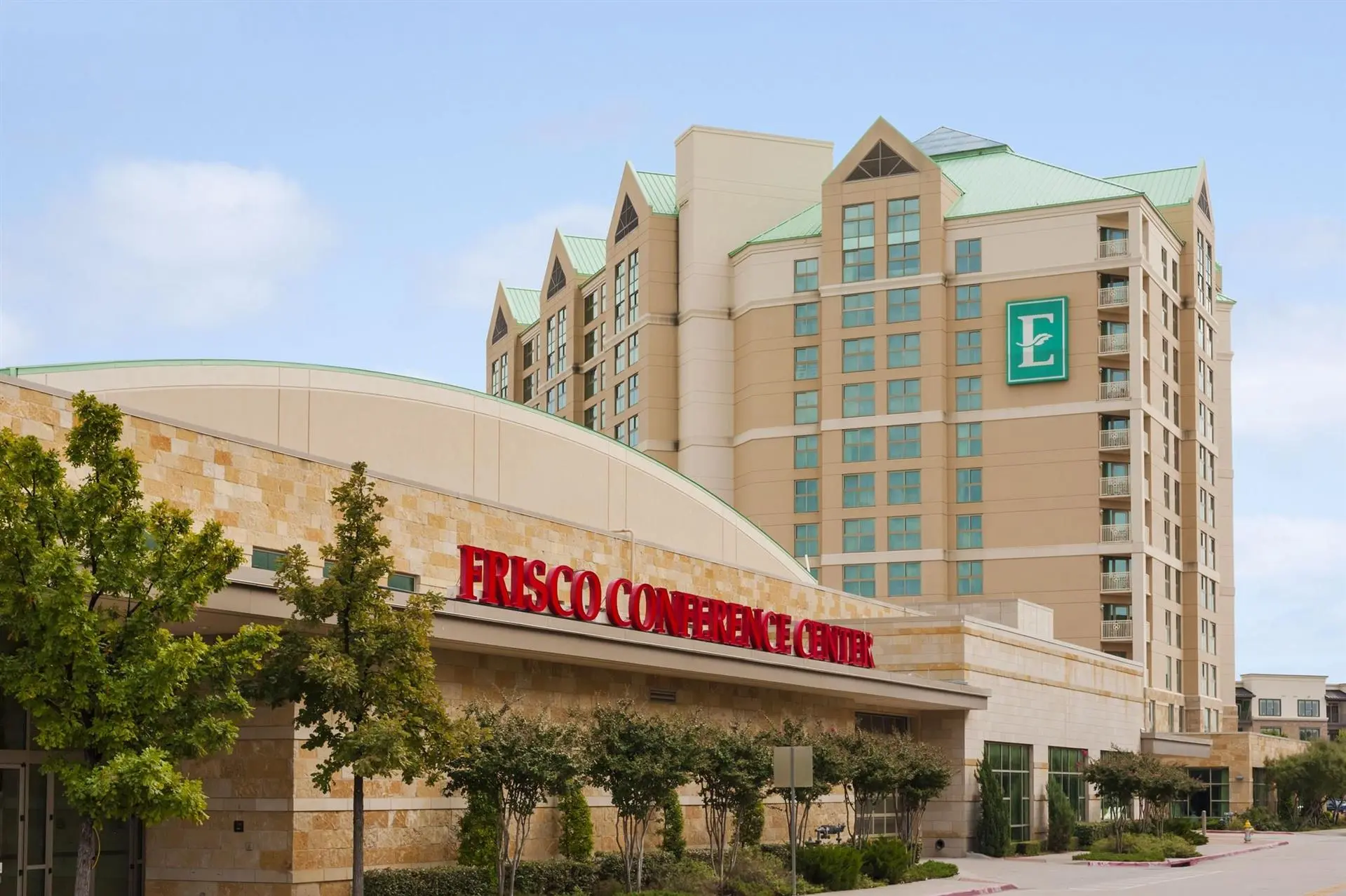
Embassy Suites by Hilton Dallas Frisco Hotel & Convention Center
$$An all-suite Frisco hotel near Riders Field and the convention center, with free made-to-order breakfast, an evening reception, an indoor pool, and easy access to Universal Kids Resort by car.
Learn More
Gaylord Texan Resort
$$$A large Grapevine resort near Lake Grapevine with dining, polished amenities, and a full-scale stay that fits a wider Dallas-Fort Worth family vacation.
Learn More
Great Wolf Lodge Grapevine
$$$A Grapevine family resort hotel that combines overnight stays with indoor water-park access for Universal Kids Resort visits and wider North Texas vacations.
Learn MoreNearby Side Quests
Fun nearby stops to turn one destination into a bigger family adventure.
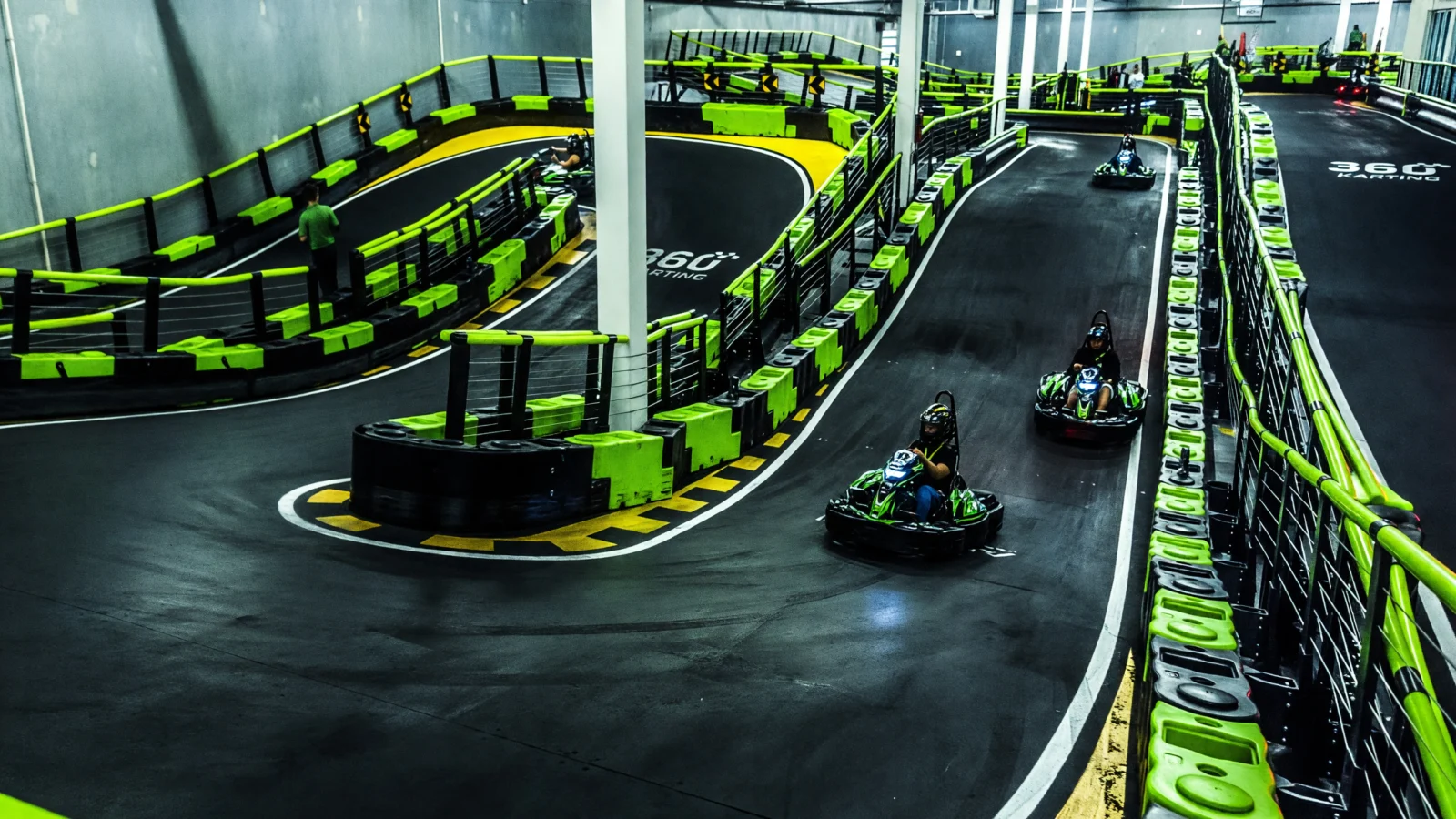
Andretti Indoor Karting and Games The Colony
$$$A Grandscape entertainment stop in The Colony with indoor karting, arcade games, laser tag, ropes, VR, and food in one high-energy venue.
Learn More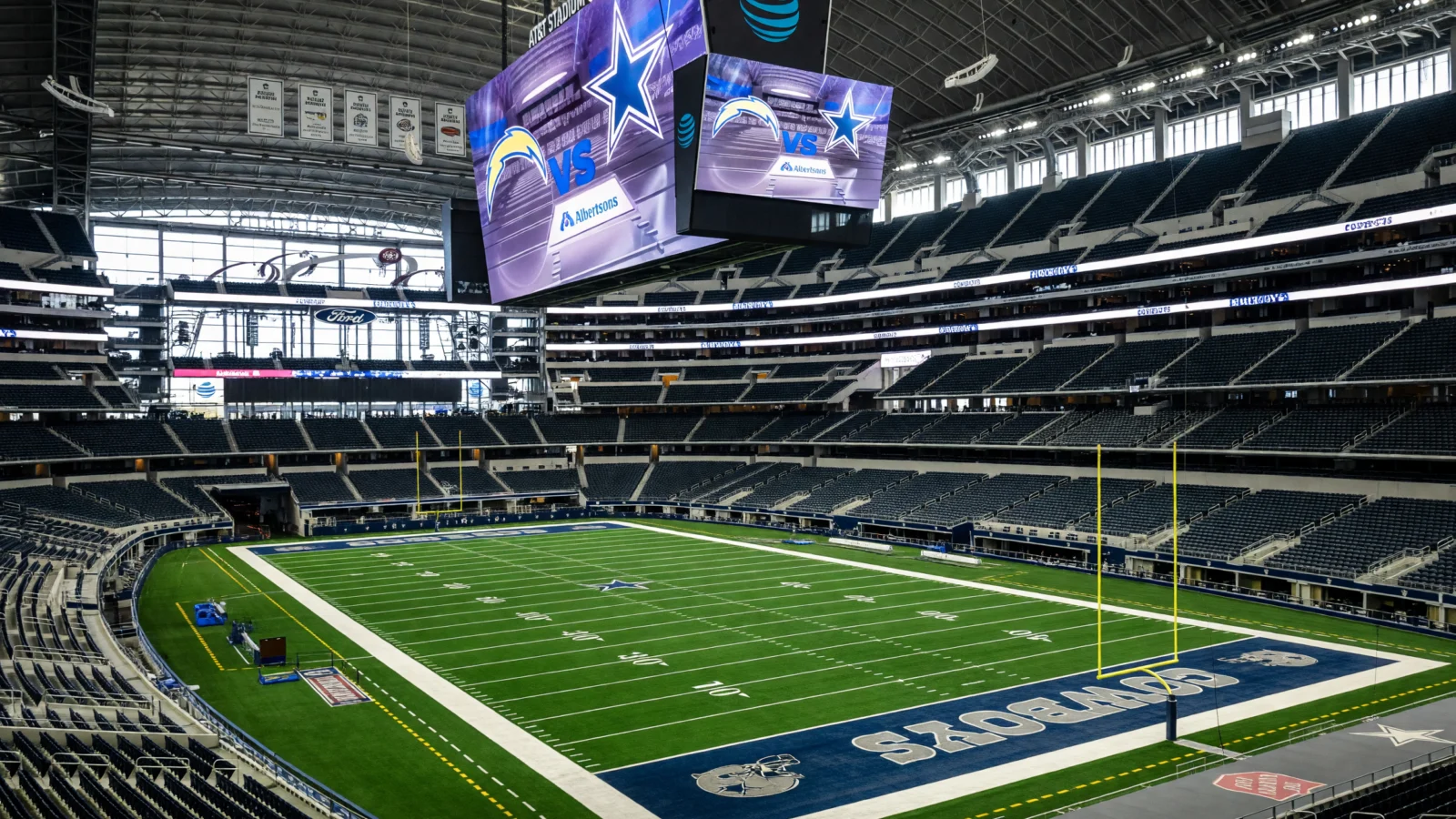
AT&T Stadium Tours
$$An Arlington stadium tour that takes families inside AT&T Stadium for big views, photo stops, and a memorable sports-fan side trip.
Learn More
Dallas Arboretum and Rory Meyers Children Adventure Garden
$$A Dallas arboretum and children’s adventure garden with scenic walking paths, outdoor exploration, and a calmer family outing beyond the main Frisco resort area.
Learn More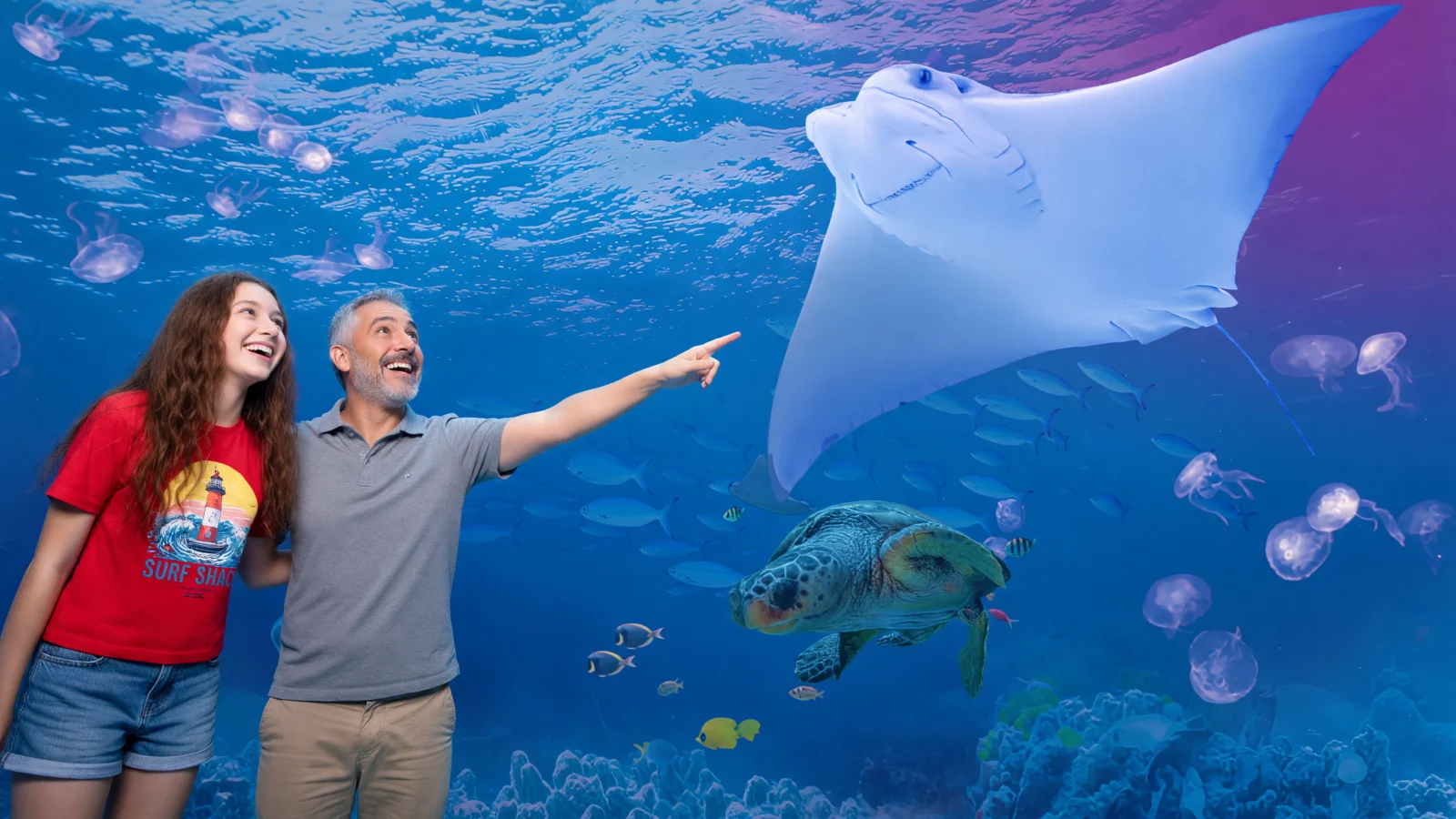
Dallas World Aquarium
$$$A downtown Dallas aquarium and indoor animal attraction with immersive exhibits and a longer visit footprint than a quick fish-tank stop.
Learn MoreWhere to Eat
Easy meal ideas near your adventure, including family-friendly spots, casual restaurants, and practical backup options.

Universal Kids Resort Cafe
$$The easy quick-service stop in Isle of Curiosity for breakfast, Starbucks coffee, pizza, sandwiches, pastries, and a fast meal when the day needs to keep moving.
Learn More
Comidas y Leche
$$Comidas y Leche is the quick service restaurant inside Puss in Boots Del Mar, with Latin-inspired bowls, tacos, flautas, quesadillas, and both indoor and outdoor seating right in the middle of the land.
Learn More
Curiosity Cafe
$$Curiosity Cafe is the main quick-service spot inside Universal Kids Resort Hotel, with breakfast, lunch, dinner, coffee, and grab-and-go snacks that make hotel day food stops easy.
Learn More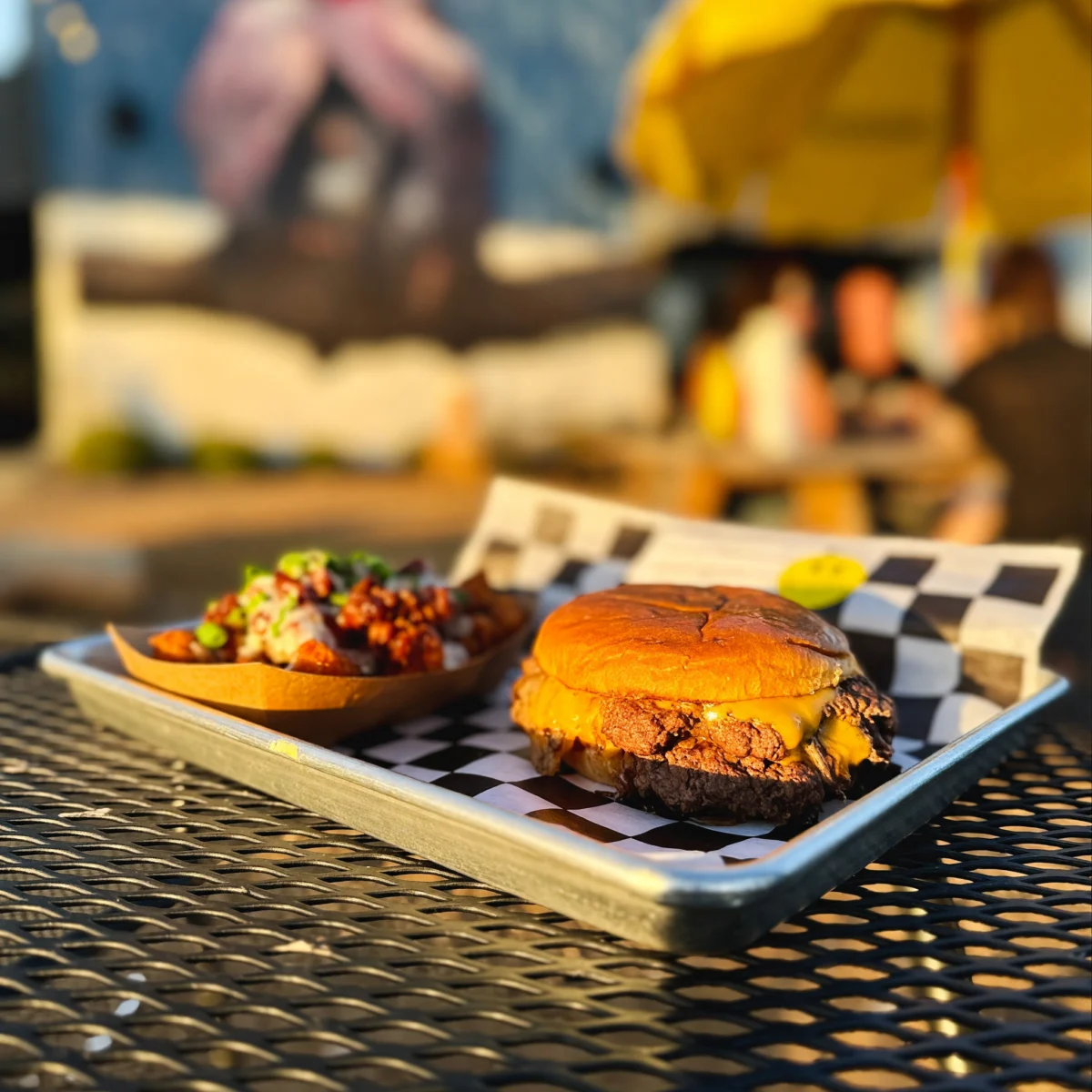
Keep Reading
More guides, tips, and updates to help you keep planning your next family quest.
Universal Kids Resort Discount Tickets: Is Undercover Tourist Cheaper?
Five real price checks later, we found a clear pattern, plus one policy difference that could matter just…
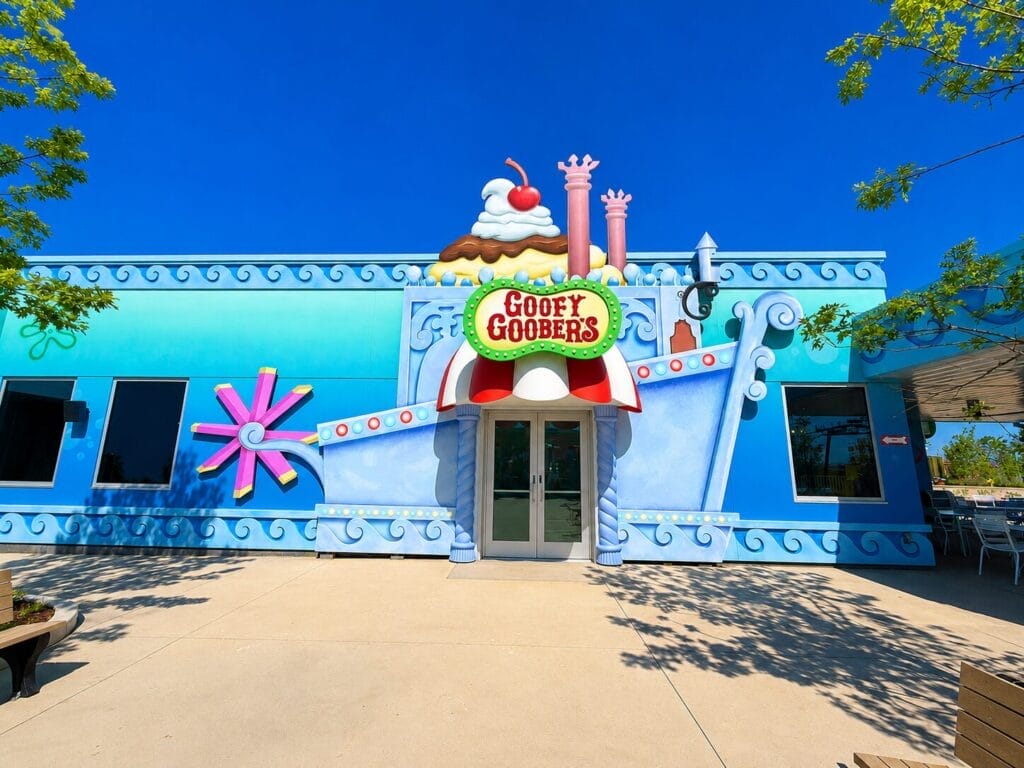
Goofy Goober’s Review: Full Menu at Universal Kids Resort
From burgers and crispy chicken tenders to the famous Triple Gooberberry Sunrise, we tried every entrée, dessert, and…

Universal Kids Resort vs. Universal Orlando: Which Is Better for Kids?
Compare Universal Kids Resort and Universal Orlando by age, cost, planning, accessibility, attractions, hotels, and vacation style to…